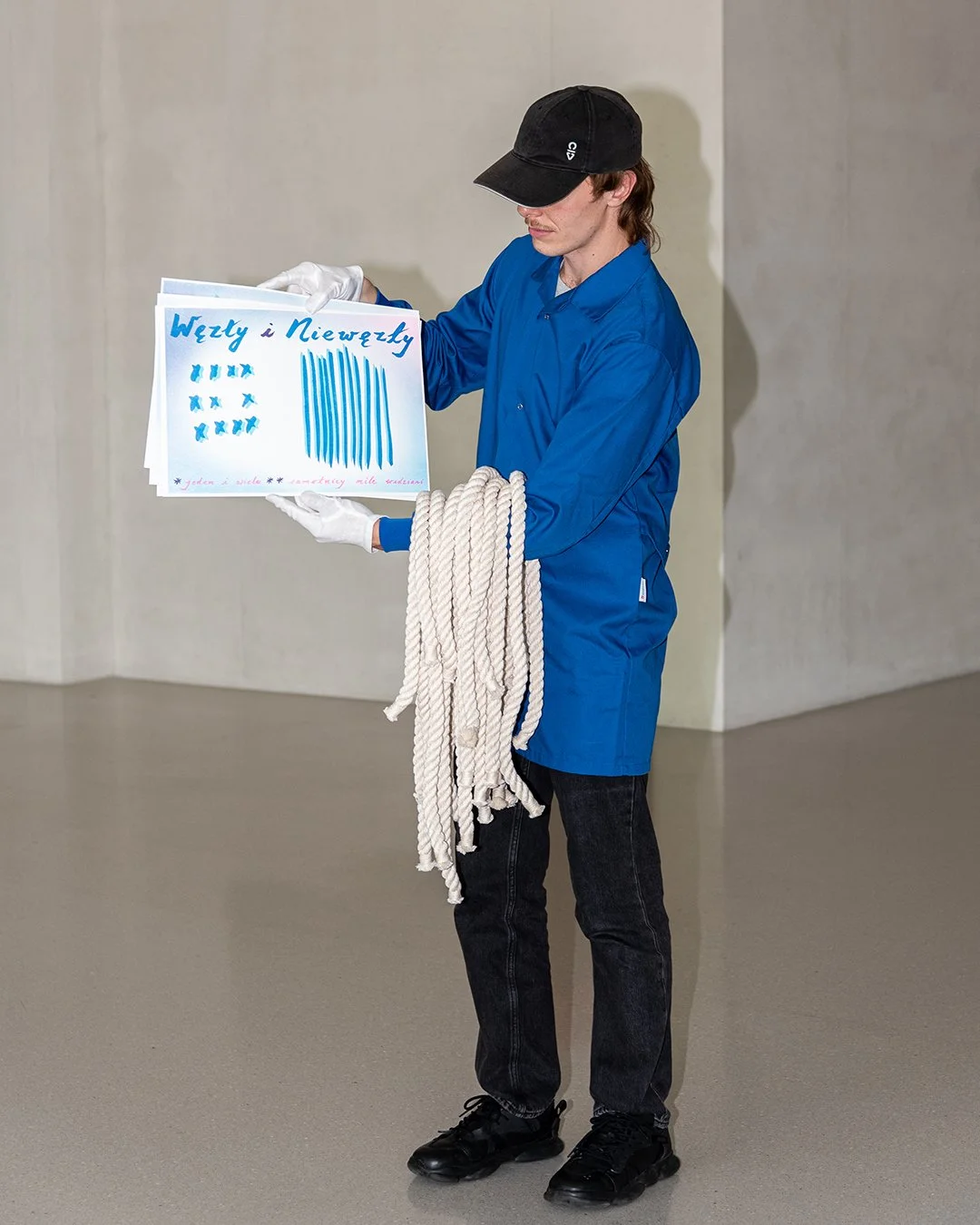
THE CONCEPT FOR KNOTS AND UNKNOTS: ONE AND THE MANY
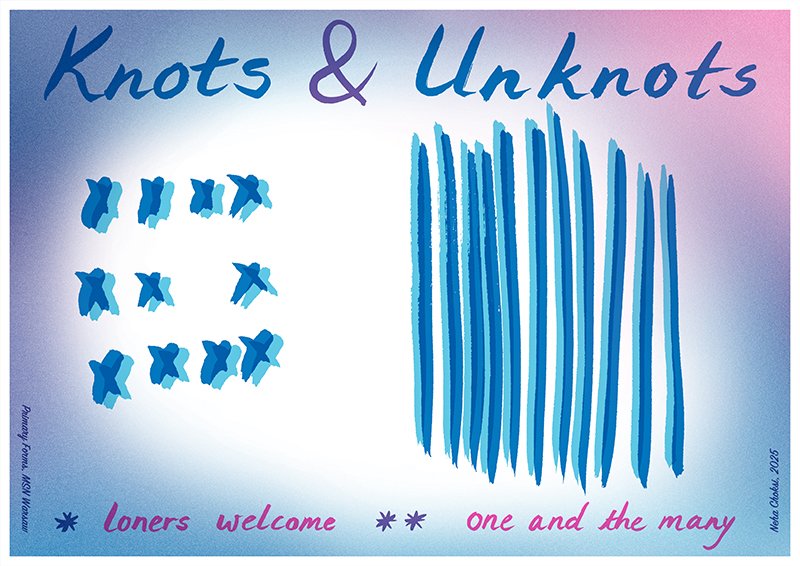
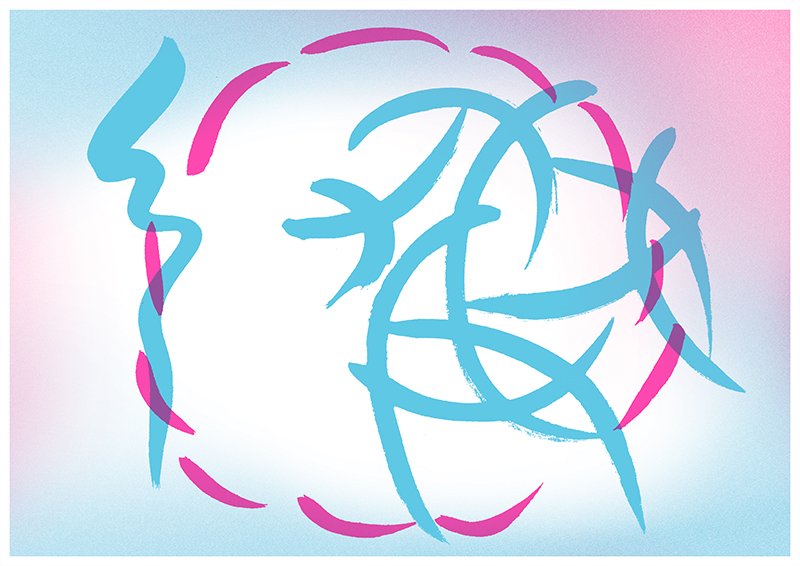
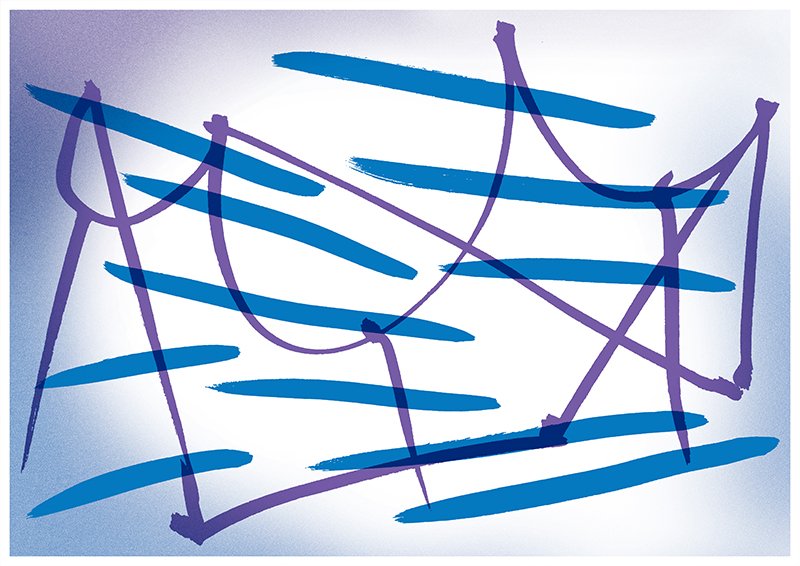
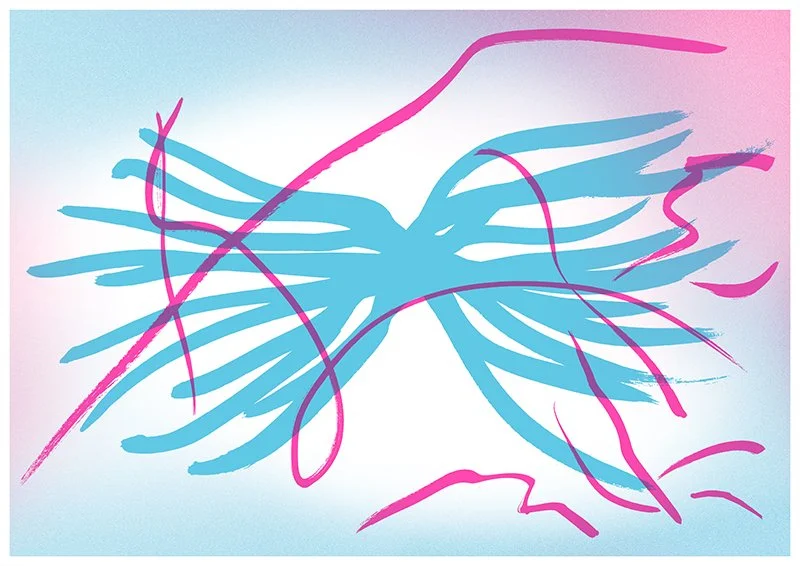
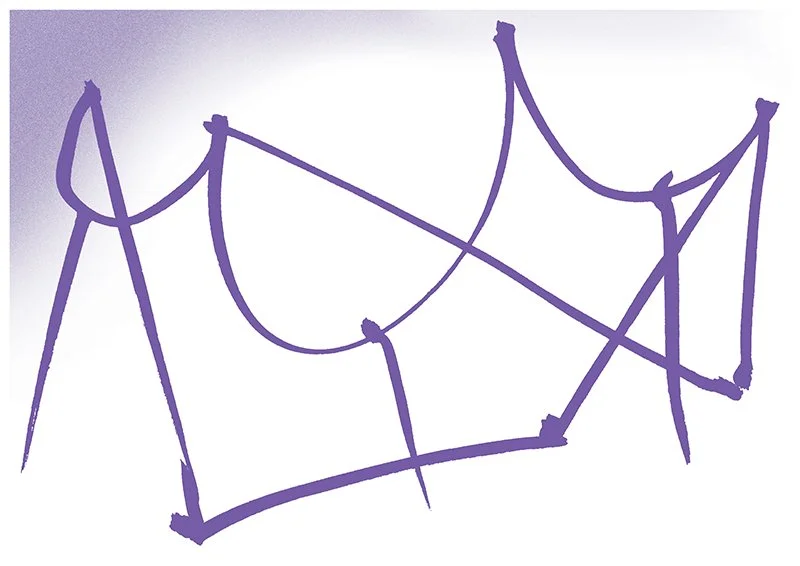
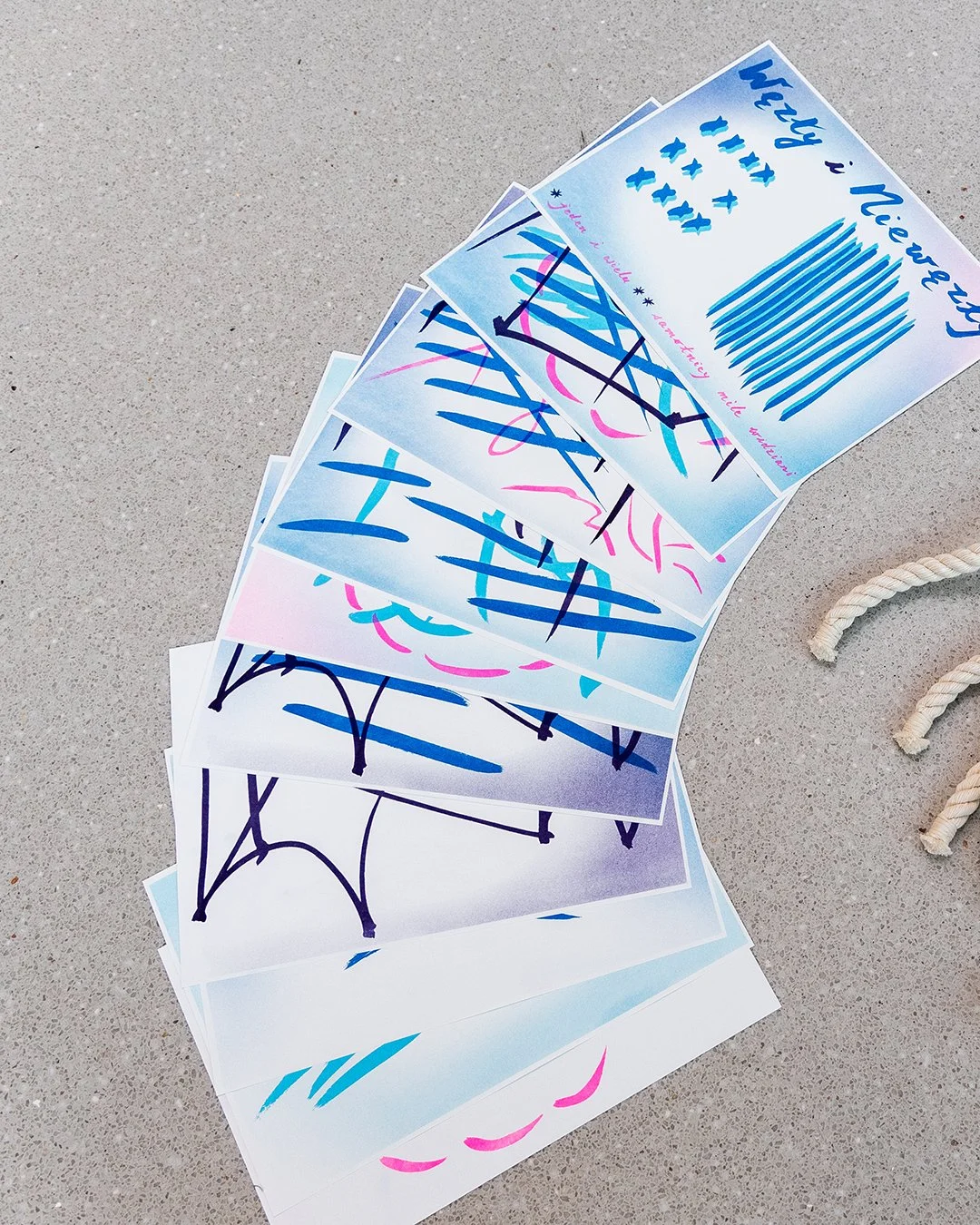
Drawing from the ideas of “ties that bind” and “lifelines,” the Knots and Unknots provides scores for participants of all ages to create group knotted sculptures that can be serially knotted and unknotted into different configurations.
These phrases involving rope and knots permeate languages because of their deeply psychic draw embedded in material reality. To bind a knot, to give someone rope, to extend a lifeline, to navigate a tightrope, to link, to join, to multiply and to divide, to undo and redo, these are the notions and motions of a community. Rope is embedded in our languages and story-telling and these form the basis for the scores.
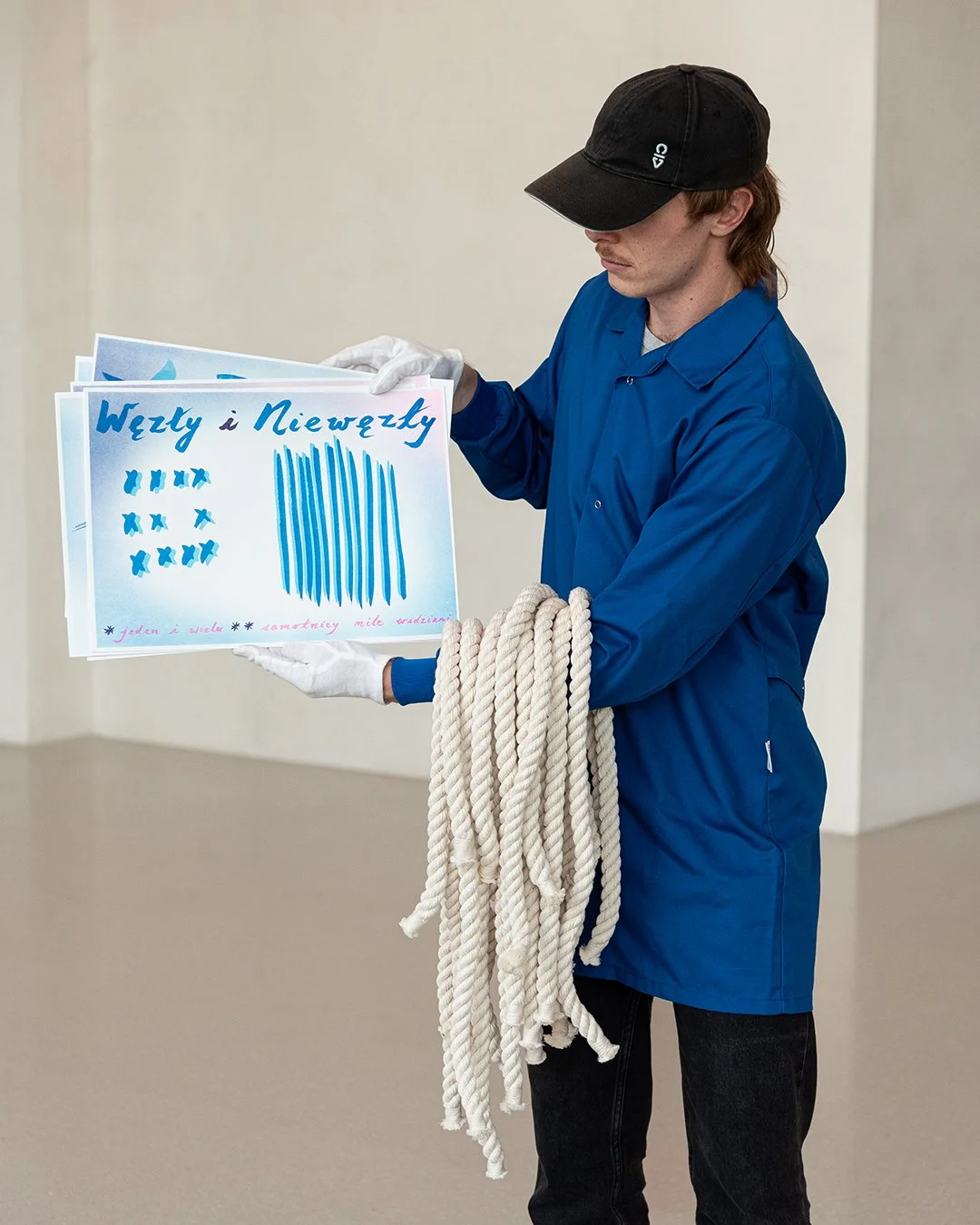
Each participant will get their own piece of thick, sturdy, cotton rope. The rope is pre-cut into 1 meter lengths and it is circa 2 cm in diameter. Its ends are sealed so that the rope does not unravel.
Each child has the opportunity to decorate their rope using different shades of blue, ranging from nearly purple to nearly green. This color can be applied via dipping the rope in different tubs of watered down paint or dye for the base layer. Embroidery stitching can be applied on top of the rope. Felt tip markers and any other art material that dries completely can be used. The limited color palette extends to all media. Decorative bits and bobs can be added to embellish the temporary sculpture to add fun to the process, but should be reversible just like knots.
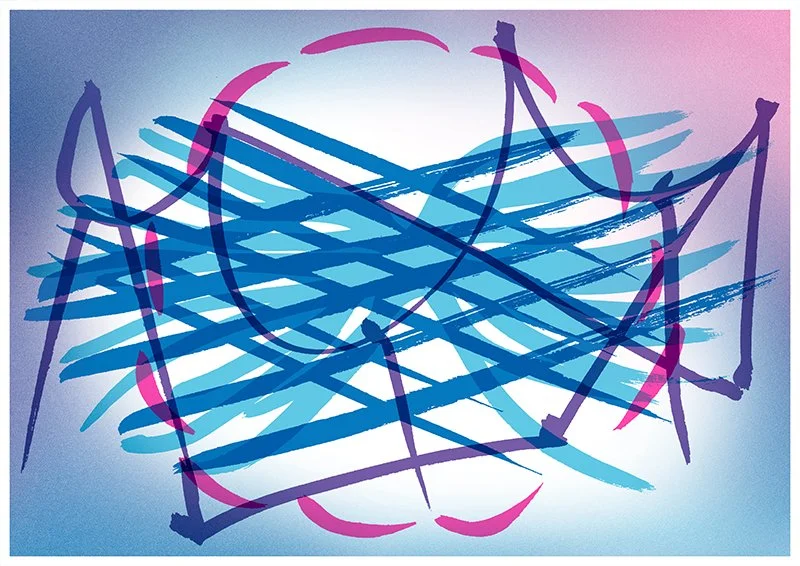
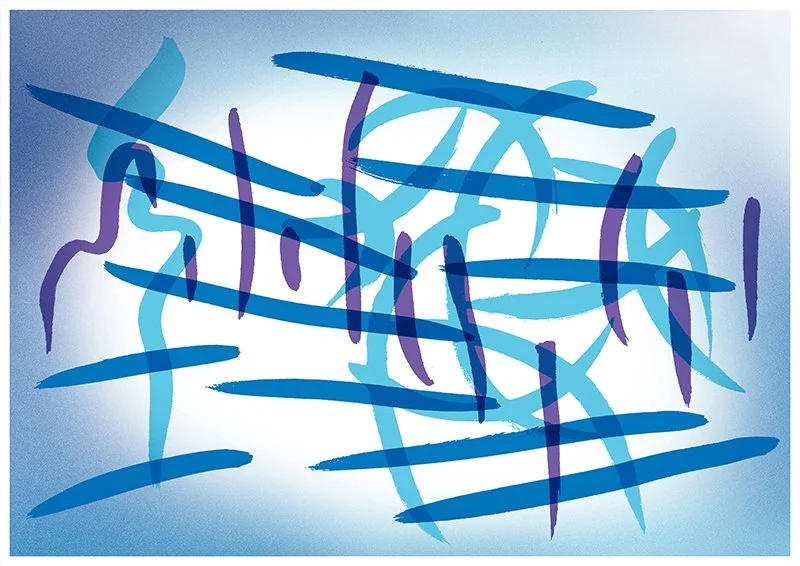
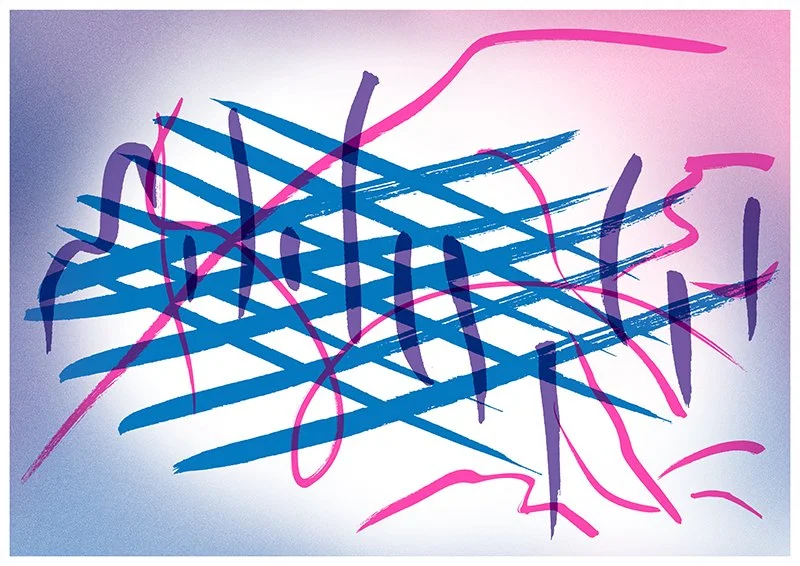
The artist has designed a set of scores to initiate the knotting and unknotting of the group’s collective sculptures. Eventually the group will make their own score for their own final sculpture. At the end the sculpture will be unknotted one last time and each child able to keep their own piece of rope, embedded with the memory of its collective knots.
Open-ended scores have different potential results: knotting, unknotting, open-ended guidance for creating, disassembling, and re-creating sculptures from the same rope again and again. The scores will encourage interdependency between all children and participants.
ORDER OF SCORES